

A business owner’s chore list might not include creating a marketing plan at the top, but it should. The first step in growing, expanding, and succeeding as a firm is to develop a strong marketing strategy.
Just like someone would carry along a GPS unit while embarking on a journey, businesses need a marketing plan to take them to their ultimate objective.
Without a solid marketing strategy, companies risk losing their way or going out of business. A Cost-effective technique for Promotions will provide a business owner with a thorough awareness of target markets, rivals, and prospects in their industry.
Businesses can use that data to create a thorough plan that will direct their marketing efforts in the direction of success and expansion.
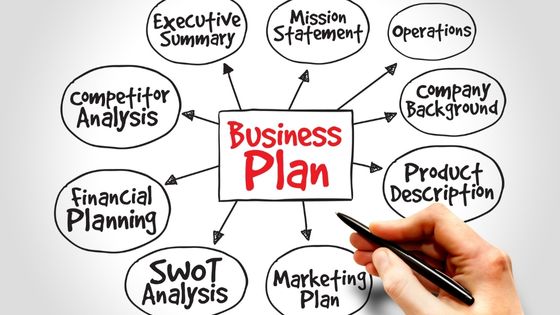
However, there are some components of a marketing plan that every company ought to have. Here are the six crucial components of a winning marketing strategy.
List of 6 keys of essential marketing plan
1. Doing proper market research
I must create a plan for my strategy, what? What’s the distinction?
Your marketing plan gives a broad overview of the justifications for the
- Actions
- Goals
- resources
your showcasing group should take during the year. The specific advances you’ll take to execute that technique are in your promotion plan.
With the right format, you can make a showcasing plan that subtleties your yearly financial plan, the tasks your promoting group should take on, and the circulation channels you’ll utilize to complete those undertakings.
Additionally, it will connect everything to a business overview to keep you focused on the long-term objectives of the company. It’s crucial to conduct an extensive study before developing strategies and tactics.
2. Doing a Competitive analysis
Reviewing the market competition is crucial next.
Companies must identify and carefully research their rivals.
- What are their advantages and disadvantages?
- What kind of advertising do they use, and how successful is it?
There are a lot of questions that need to be addressed about competitors, and these are just two examples.
A business owner can create strategies and campaigns that will offer them an advantage in the market by having a thorough understanding of their rivals. This will give them an idea to make their own path in their industry.
3. Decide who your audience is.
A company must recognize and understand its major target audiences in order to succeed.
Business owners will have much easier success if they understand these customers’
- Personalities
- communication styles
- motivations for purchasing their goods or services.
Grouping these audiences will help businesses better understand how to communicate with them and what kinds of messages will be most effective. While one group might frequently communicate via Social platforms like
- Instagram etc
- another could prefer email.
This will help you to set the Cost-effective technique for Promotions so that you won’t miss out on the best results and optimize your budget effectively and efficiently.
4. Set goals And objectives for your organization.
Your business goals should be reflected in your marketing strategy objectives.
Companies can develop their goals and objectives through
- Market
- Competitive
- target audience research.
A corporation should have both short- and long-term goals and objectives that push it to accomplish its marketing objectives while yet being attainable.
Marketing objectives can be to raise brand recognition or provide quality leads. Additionally, you can aim to develop or sustain thought leadership in your sector or boost consumer value.
These yearly goals and objectives should complement other organizational objectives. The marketing goals and objectives might be modified throughout time, but they should still push businesses to work hard and strategically to attain them.
Whatever your goals, make a rundown of them and consider how your showcasing group might endeavor to achieve them over the impending year.
5. Define Particular Approaches and Techniques
This is the core of the marketing strategy.
Companies can create particular marketing strategies and specify the methods required for each plan using the information presented above.
One of these methods might be to utilize advertising to increase sales by a specific amount over a predetermined period of time, or to use social media to change how customers view a brand or a product.
These plans will be different for every business and brand, but they should center on utilizing marketing to meet certain objectives. Companies must identify the precise techniques required to carry out their strategies once they have them in place.
This may involve developing Google AdWords advertisements that highlight a certain facet of the company or writing daily social media articles that encourage interaction from followers.
As businesses achieve their objectives and as company leaders learn what approaches are most effective and which ones are not these strategies and tactics will inevitably change over time.
6. Select Evaluation Techniques
If companies don’t use some sort of evaluation, they won’t know which marketing approaches and plans are successful. There are various methods for evaluating marketing.
Direct data collecting is possible with some marketing strategies, such as Google AdWords, so businesses may see actual performance data.
While it may be more difficult to evaluate some marketing strategies, businesses can nevertheless review and evaluate their marketing activities in innovative ways.
Even if the assessment methods aren’t flawless, it’s crucial to review each strategy and approach and choose the finest ways to judge their effectiveness.
Conclusion
Companies must create and implement a marketing strategy. Without one, business owners and executives will be wasting time and resources without understanding how successful their efforts are or even if they are the appropriate ones in the first place.
Make a wise strategy for your business.
FREQUENTLY ASKED QUESTIONS(FAQ)
1. What makes a good marketing plan?
A marketing strategy should address all aspects of the customer journey, from product creation to customer onboarding and services, rather than just client acquisition. This will make it easier for you to represent and anticipate the needs of your clients.
2. What are some ways you can learn more about marketing plans?
There are several newsletters and data available online that you can use or you can also opt for a Digital Marketing Course to learn advanced marketing tactics and skills.
3. What is successful marketing?
Anything that alters consumer perception of a brand or a product and results in increased sales, profits, or market share is considered successful marketing.
4. What is the key to business success?
Customer satisfaction is the primary indicator of corporate success. The main factor affecting development and profitability is your capacity to satisfy your clients to the point where they choose to do business with you rather than with a competitor, that they do business with you again, and that they refer you to their friends.
5. What are some ways you can learn more about marketing plans?
There are several newsletters and data available online that you can use or you can also opt for a Digital Marketing Course to learn advanced marketing tactics and skills.