

What is periodontitis?
A severe infection of the gums is called periodontitis. It results from bacteria forming a layer on your teeth and gums. As periodontitis worsens, it damages your bones and teeth. However, the damage is preventable if periodontitis is treated early and oral hygiene is maintained correctly. The disease has four stages, as discussed below:
Gingivitis
Gum inflammation is known as gingivitis, wherein gums start bleeding while brushing or flossing teeth. Plaque build-up because of harmful bacterial infestation in the mouth and teeth discoloration are also common symptoms of gingivitis. Gingivitis usually occurs because of poor dental hygiene.
Early periodontal disease
In the initial stages of periodontitis, the gums get pulled away from your teeth, causing the formation of small compartments between teeth and gums. Harmful bacteria reside in these pockets. The immune system copes with the infection, making gum tissue recede gradually. Bleeding when brushing and flossing as some bone loss may also occur during early periodontal disease.
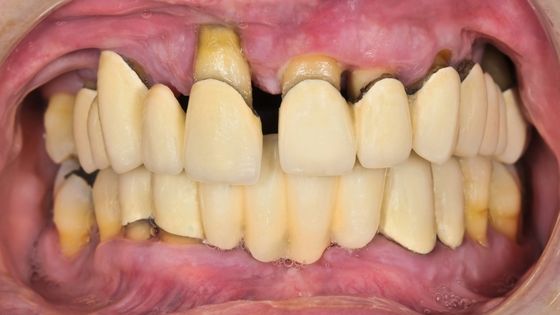
Moderate periodontal disease
Gum recession, bleeding, and pain worsens when periodontal disease is left untreated at the initial stage. In the moderate stage of periodontal disease, bone loss increases, and teeth might become loose. The infection may also trigger an inflammatory reaction throughout the body.
Advanced periodontal disease
It gets tough to treat periodontal disease at this stage. The connective tissues that keep your teeth secured start deteriorating, leading to teeth loss. The jaw bone, gums, and other tissues that hold teeth together get destroyed. Halitosis, severe pain while chewing, and a foul taste in your mouth because of abscess formation are common in this stage.
What are the symptoms of periodontitis?
The symptoms differ according to the stage of periodontitis but usually include the following:
- Gum draining when you clean or floss your tooth
- Receding gums
- Moderate to severe bad breath
- Red, tender, or swollen gums
- The formation of tartar or plaque on the tooth.
- Changes in teeth’s position
- Loose teeth
- Foul taste in the mouth
- Pain when chewing
- Tooth loss
- The inflammatory response throughout the body
When not treated on time, periodontitis may lead to complications, such as:
- Teeth migration, which makes eating difficult
- Risk for respiratory and cardiovascular diseases
- The risk for diabetes getting worsen, or vice-versa, i.e., periodontal disease progression at a faster rate because of diabetes
- Problems during pregnancy, for example, gestational hypertension
- Newborn with low birth weight
Symptoms of periodontitis in its early stages are often not visible. Therefore, regular dental exams are the best way to know if you have gingivitis on the verge of progressing to periodontal disease.
What causes periodontitis?
A healthy person usually has many types of bacteria in their mouth. Most of them pose no harm. However, a lack of oral health hygiene for long-time results in plaque build-up, which allows harmful bacteria to grow and multiply. It creates a fertile ground for gingivitis, which later advances to periodontitis. Dental plaque is made when the bacteria in your mouth multiply and form a substance. Here are some facts on periodontitis progression:
- If you don’t brush properly every day, the bacteria start growing within the plaque over time. It also results in mineral deposits, known as tartar.
- Brushing the teeth does not help with removing the tartar. Instead, it keeps getting harder with more layers of gunk depositing on your teeth, leading to more bacterial growth.
- The body’s immune activates to fight the bacterial attack, causing inflammation in your gums.
- The bond between the gum and the roots of teeth tooth weakens over time, and a periodontal pocket (gap) may appear between the gum and root.
- Harmful anaerobic bacteria inhabit the pocket and grow further, releasing toxins that can severely damage the teeth, gums, and supporting bone structures.
What are the risk factors for periodontitis?
Many health conditions put you at an increased risk of periodontal disease. These include:
- Type-2 diabetes
- Smoking
- Obesity
- Genetics
- Gum sensitivity during hormonal changes (periods, pregnancy, or menopause) in women.
- HIV, leukemia, or any other condition that impacts your immune system
- Medication that decreases saliva production and flow
- Poor nutritional profile, for example, calcium or Vitamin C deficiency
- COVID-19
How is periodontitis diagnosed?
Symptoms of periodontal disease detected during an oral health exam session are the first step to diagnosing periodontitis. If the condition has gone beyond its initial stages, the dentist may use a probe (a tiny ruler) to check and measure pockets on your gums. They will also remove plaque and tartar using dental tools to clean your teeth. They may also recommend dental X-rays if they see a single symptom worsening or more symptoms appearing simultaneously.
What is the treatment for periodontitis?
The treatment for periodontal disease varies depending on its stage.
1. Oral hygiene practice is the primary solution to prevent or reverse periodontal disease in its earlier stages. It includes:
- Brushing your teeth twice every day
- Flossing at least once a day
- Using a fluoride toothpaste
- Rinsing the mouth after every meal
- Switching to an electric toothbrush for better plaque removal
- Seeing a dentist at least 2-3 times a year for professional dental cleaning
- Using medicated mouthwashes or toothpaste as recommended by your dentist
- Saying no to tobacco chewing, smoking, and alcohol consumption
2. Scaling and root planing
If periodontal pockets have developed already, the dentist cleans them, treats your teeth with fluoride, and polishes them. They may also prescribe antibiotics if you suffer from persistent gum diseases. You will need to go for follow-up appointments so that the dentist can assess the treatment results.
3. Flap surgery
Dentists recommend flap surgery for advanced stages of periodontal disease. It helps clean the calcified mineral deposits under your gums. Your dentist will put you under anesthesia, lift your gums away for cleaning, and stitch them back. In addition, patients may need bone grafting alongside flap surgery in cases with jaw bone loss. Bone grafting supports the regeneration of the lost bone and creates a supporting structure for teeth.
What are the home remedies for periodontitis?
The answer is none. Calculus-borne bacteria cause periodontitis, and only professional dental cleaning using specialized tools can help clean calculus. Furthermore, the more you allow it to sit on your teeth while trying home remedies, the more chance of periodontal disease progression. Therefore, seeing a dentist as soon as you notice the first signs of periodontal disease is sensible.