

Are you considering laser treatment to improve the appearance of your skin? If so, you may be wondering if the treatment is painful. In this post, we’ll discuss what to expect during a laser treatment and whether or not it’s likely to cause pain. We’ll also share some tips for minimizing any discomfort you may experience. Read on to learn more.
Laser treatment in India is a popular cosmetic procedure that can be used to improve the appearance of the skin. The procedure uses a focused beam of light to target specific areas of the skin. Laser treatment can be used to treat a variety of conditions, including wrinkles, sun damage, and scars.
Will it hurt?
Laser treatments use concentrated light to target specific areas of the skin. The light is absorbed by the pigment in the hair follicles, which heats up and damages the follicle. This process can cause some discomfort, but most people don’t find it to be painful. If you’re concerned about pain, talk to your doctor or dermatologist prior to treatment.
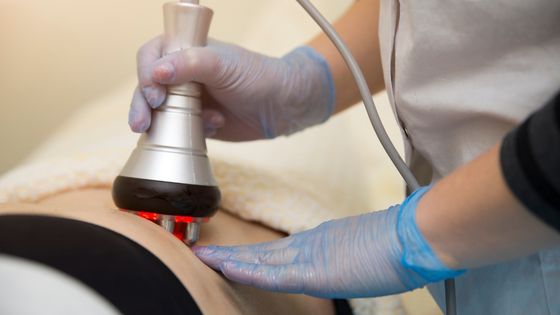
They can provide you with a topical numbing cream or other measures to help ensure your comfort. The best dermatologist offers the best laser treatment in India. If you’re considering laser treatment, contact us today to schedule a consultation. We’ll be happy to answer any questions you have and help you decide if the treatment is right for you. If you are concerned about the laser treatment success rate then you should read a blog published at Skin Pharmacy entitled “Are laser treatments successful in India?
In any case, there are ways of being certain you will encounter the least aggravation conceivable by following a few straightforward strides before your treatment.
- Consult your doctor! Please let your doctor know if you have ever suffered from skin issues, sensitivities, or chronic conditions.
- Avoid hot water when washing your face.
- To prevent laser burns, use sunscreen.
Before the treatment, talk to your doctor about applying a topical anesthetic. By doing this, you’ll be able to minimize pain.
If pain persists during or after treatment, speak with your doctor. You should let your doctor know if you have especially sensitive skin. Occasionally, laser treatments are not right for a patient.
Be prepared for a little bit of pain, regardless of the laser treatment you choose. The whole experience can be made more comfortable by combining topical anesthetics with your own doctor’s expertise.
What should I expect during the laser treatment?
At the best dermatologist centre during the laser treatment, you may feel a warm sensation on your skin. This is normal and is caused by the laser light interacting with your skin. Most people don’t find laser treatment to be painful, but some may experience mild discomfort. If you’re concerned about pain, talk to your doctor or dermatologist prior to treatment. They can provide you with a topical numbing cream or other measures to help ensure your comfort.
What are the side effects of laser treatment?
Laser treatment is generally safe and effective. However, as with any cosmetic procedure, there are some risks and possible side effects. These can include temporary redness, swelling, and blistering of the treated area. In rare cases, more serious side effects can occur. Be sure to discuss all risks and possible side effects with your doctor or dermatologist prior to treatment.
FAQs
1. Will it hurt the laser treatment?
Laser treatments use concentrated light to target specific areas of the skin. This process can cause some discomfort, but most people don’t find it to be painful. If you’re concerned about pain, talk to your doctor or dermatologist prior to treatment.
2. What are the side effects of laser treatment?
Laser treatment is generally safe and effective. However, as with any cosmetic procedure, there are some risks and possible side effects. These can include temporary redness, swelling, and blistering of the treated area. In rare cases, more serious side effects can occur. Be sure to discuss all risks and possible side effects with your doctor or dermatologist prior to treatment.